
Building a Data Platform Your Analysts Will Actually Trust
A technically correct data platform that nobody trusts is still a failed data platform. Trust is a design requirement, not a side effect.
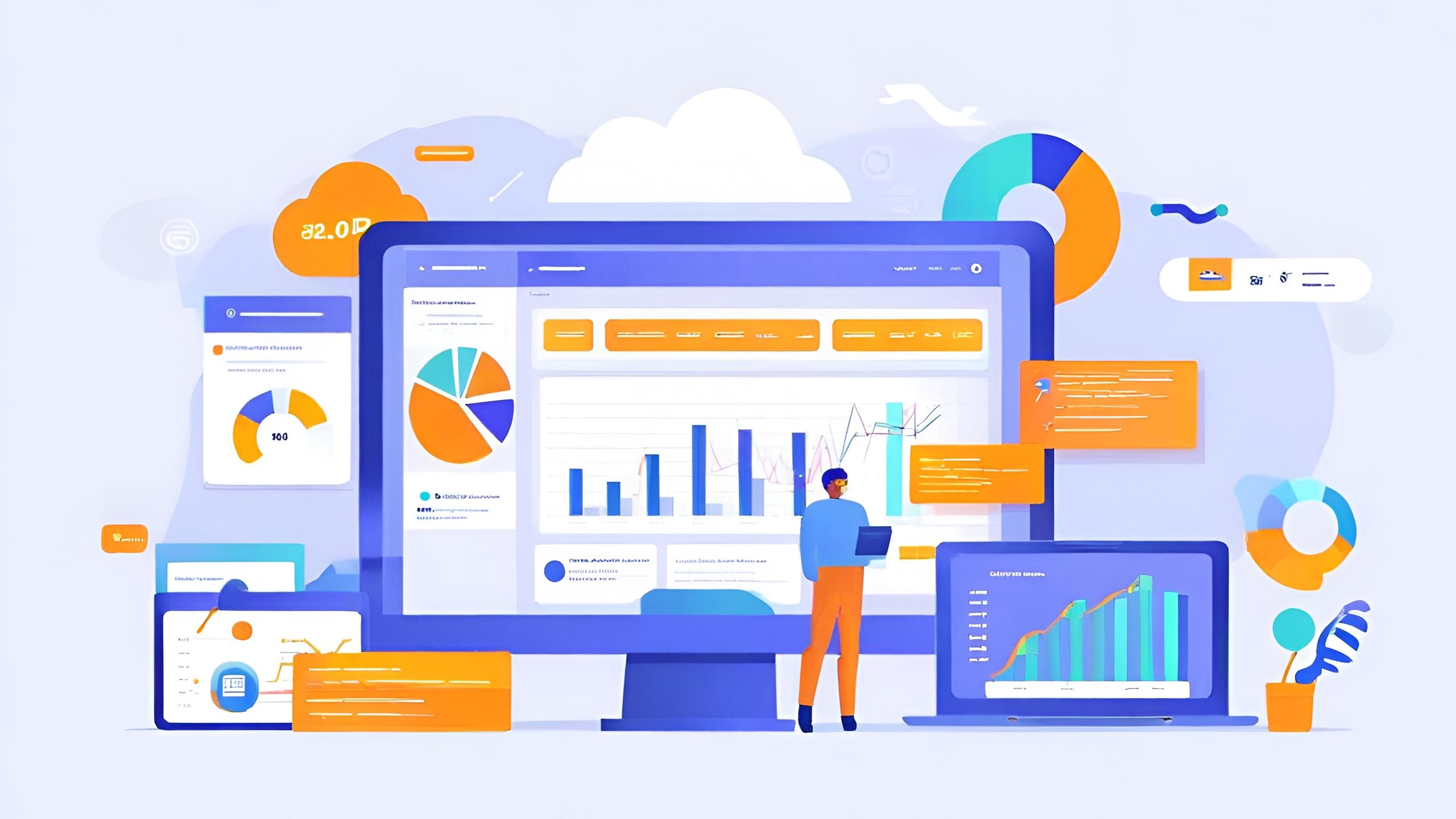
You can build a technically sound data platform — clean pipelines, sensible schemas, solid uptime — and still watch analysts quietly export data to spreadsheets to double-check it. When that happens, the platform has a trust problem, not a technical one.
Where trust breaks down
Trust erodes in small moments: a metric that doesn't match what finance reported last quarter, a dashboard that silently stopped updating three days ago, a definition of 'active user' that means something different in two different teams' dashboards.
Designing for trust, not just correctness
- Establish a single semantic layer so business terms mean one thing everywhere
- Make pipeline failures loud — a silently stale dashboard is worse than a broken one
- Version and document schema changes so historical comparisons stay valid
- Give analysts lineage visibility so they can trace a number back to its source
None of this shows up on an architecture diagram, but it's the difference between a platform that's technically complete and one that people actually build decisions on top of.
“A dashboard nobody trusts enough to act on didn't fail technically — it failed the only test that matters.”
— Dwata Technologies Data Engineering Team
Dwata Technologies Team
Editorial Team
Perspectives from the engineers, data specialists and security practitioners building client platforms at Dwata Technologies.

Let's talk
Have a technology problem worth solving properly?
Tell us what you're working on. We'll respond within one business day with next steps, not a sales script.