
Data-as-a-Service: Why Data Platforms Should Be Run, Not Just Built
A data platform handed off at go-live starts decaying immediately. Treating it as an ongoing service changes the outcome.
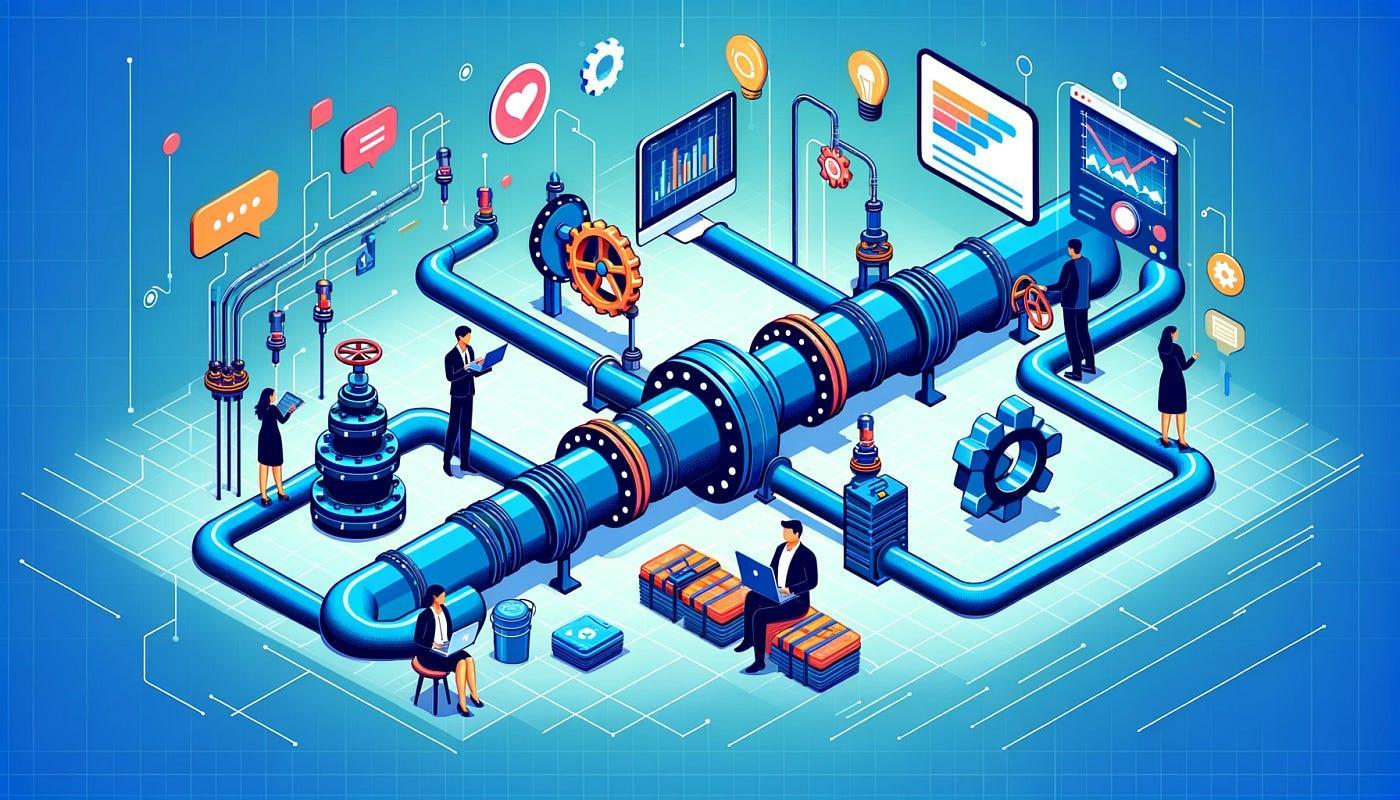
A common pattern in data platform projects: a team builds the pipelines, hands over documentation, and moves on. Six months later, schemas have drifted, a source system changed its API without anyone noticing, and the 'single source of truth' has quietly become one of several.
Data platforms are operational systems
Treating a data platform as a one-time deliverable ignores that data sources, business definitions and downstream consumers keep changing after launch. A platform that isn't actively operated will drift out of sync with the business it's meant to serve.
- Monitoring that catches schema drift and pipeline failures before analysts do
- A standing process for evolving the semantic layer as the business changes
- Clear ownership for data quality issues, not a shared responsibility no one owns
- Capacity planning as data volume and usage grow
This is the thinking behind running data platforms as a continuous, Data-as-a-Service capability — not a finished project, but a system that's maintained with the same discipline as any other production infrastructure.
Dwata Technologies Team
Editorial Team
Perspectives from the engineers, data specialists and security practitioners building client platforms at Dwata Technologies.
Let's talk
Have a technology problem worth solving properly?
Tell us what you're working on. We'll respond within one business day with next steps, not a sales script.